In this series of Project Journals, we present the technologies we are investigating as part of a toolkit for rapid response to climate-related incidents and disasters. In the previous journal, we talked about Wi-Fi and how local wireless networks can support communication when conventional telecommunications infrastructure stops working. In this journal, we move on to a technology with different characteristics: LoRa and the Meshtastic project, which uses this technology to form messaging networks capable of operating without depending on the internet, mobile phone towers, or a continuous supply of grid power.
After Wi-Fi, what alternatives exist for more distant or isolated points?
Wi-Fi , as we saw in the previous journal, is widely used to connect people and equipment within a local area, such as a shelter, a command center, or a community. Depending on the equipment, antennas, and network design, it can also be used for links over longer distances. But what happens when we need to connect distant points using low-power equipment and transmit only small amounts of information?
What happens when a community becomes isolated not only from the internet, but also from any cell phone signal? How can you warn about a risk, confirm that someone is safe, or share a location when no mobile network is available?
To investigate this type of situation, the Tridecs project is testing LoRa, a radio technology that allows small volumes of data to be transmitted with low power consumption and that, depending on link conditions, can reach greater distances than those typically used in local Wi-Fi networks.
What is LoRa, after all?
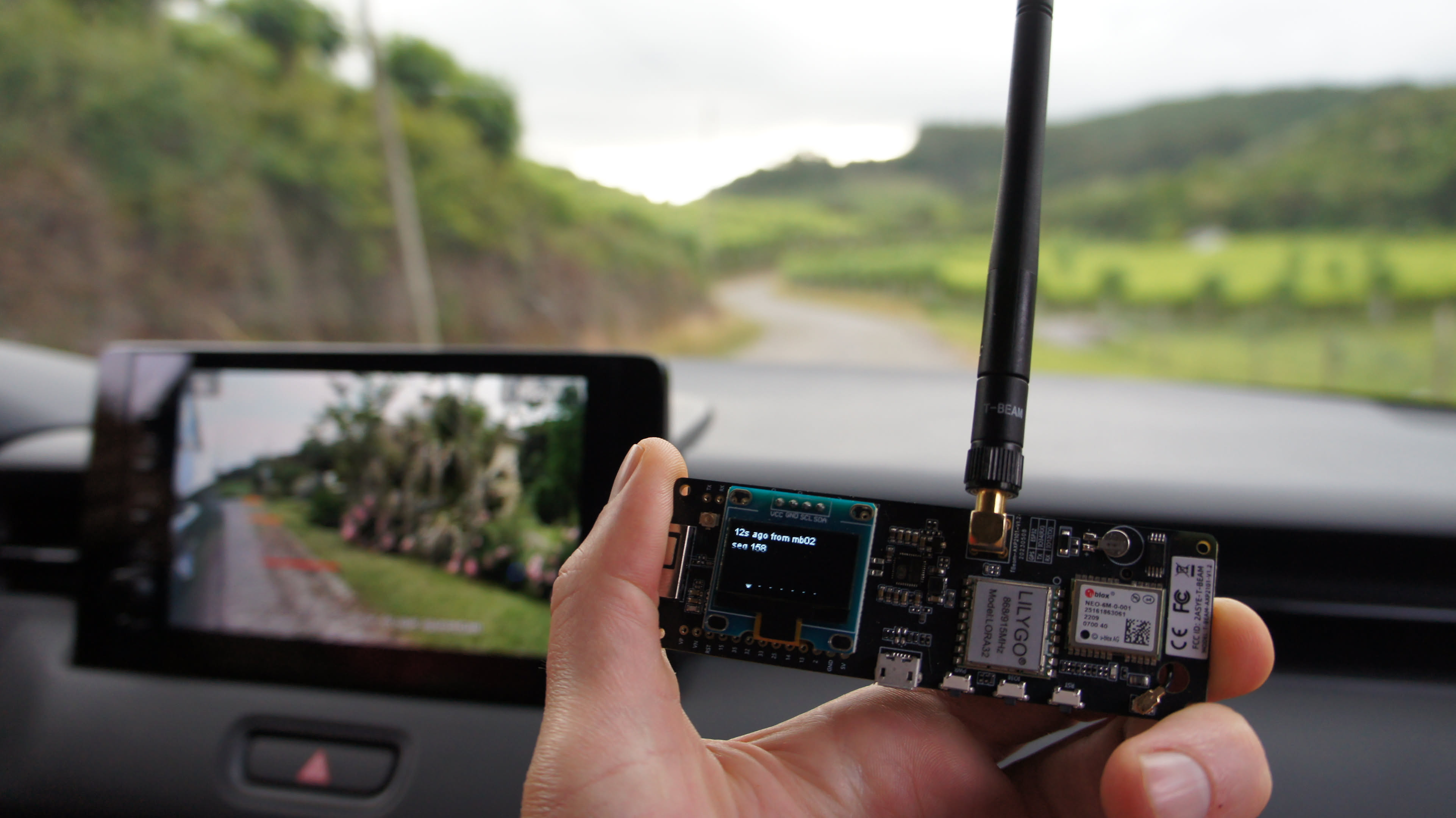
LoRa stands for Long Range. Technically, it is a radio modulation technology, that is, a way of encoding information into signals transmitted through the air. It was developed to enable low-power, low-data-rate communications, and can reach long distances depending on environmental conditions, antennas, and equipment configuration.
LoRa was not designed to transmit large volumes of data at high speed. It prioritizes low power consumption, link robustness, and range. Depending on the radio configuration, it is possible to increase its ability to receive weaker signals, in exchange for a lower transmission rate and a longer time to send each message.
This characteristic sets it apart from technologies like Wi-Fi, which are better suited when we need to carry larger volumes of information, such as images, files, or access to web applications. LoRa equipment can operate in different radio frequency bands, which vary according to the hardware, the region of the world, and the rules established in each country. Many implementations use bands intended for low-power, restricted-radiation equipment.
Some of these bands are historically known as ISM (Industrial, Scientific and Medical), although their use by communication systems remains subject to the technical rules of each country.
An important distinction helps in understanding the rest of this journal: LoRa is the technology used to transmit the radio signal, but it does not by itself define how a network will be organized.
One example is LoRaWAN , a protocol and network architecture that uses LoRa. In a LoRaWAN network, devices typically transmit their data to one or more gateway , which forward this information to servers responsible for organizing the network.
Why is Tridecs interested in LoRa?
Just as we did with Wi-Fi, it is worth asking: what does this technology offer that is particular to a climate disaster response context?
The first aspect is low power consumption. Depending on the hardware , battery capacity, radio configuration, and transmission frequency, LoRa-based devices can operate for long periods on batteries and can also be integrated with small solar power systems. This is especially relevant in scenarios where the power grid remains unavailable.
Another aspect is the possibility of communication without using mobile phone networks or the internet. In the case of Meshtastic , compatible devices configured to participate in the same network can exchange messages directly over LoRa radio, even when conventional telecommunications infrastructure is unavailable. Another aspect to be investigated is cost. There are relatively inexpensive, commercially available LoRa- and Meshtastic-compatible devices, which can make it easier to experiment with and deploy multiple nodes. Total cost, however, also depends on antennas, batteries, protective enclosures, power systems, and other components needed for each scenario.
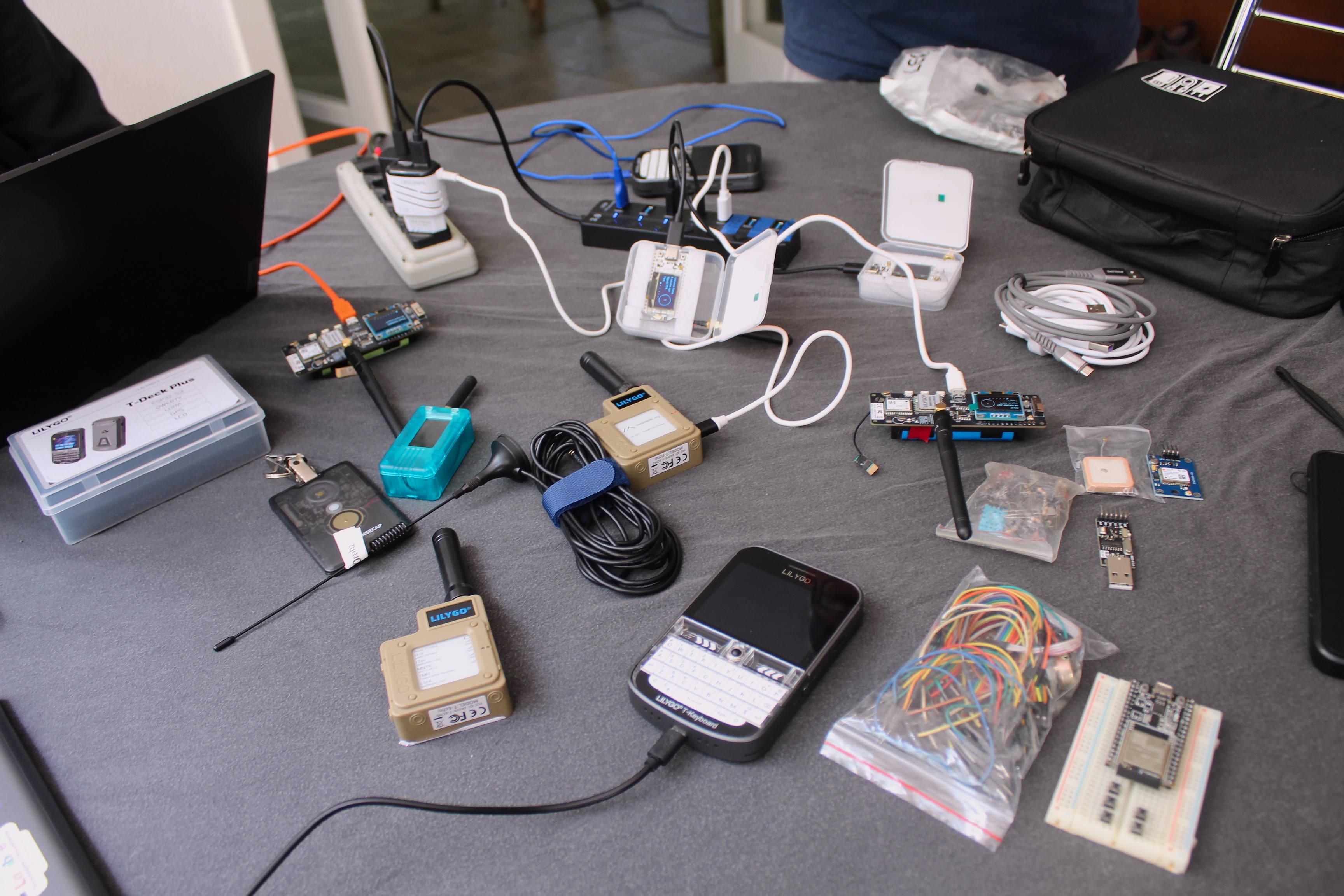
Finally, just as we discussed with OpenWrt and LibreMesh in the journal about Wi-Fi, Meshtastic is an open source project, made up of firmware , applications, and other tools used to build communication networks on devices equipped with LoRa radio. This allows technical teams and communities to understand, adjust, and improve the tool, rather than depending on a closed system controlled by a single vendor.
How does Meshtastic turn LoRa devices into a messaging network?
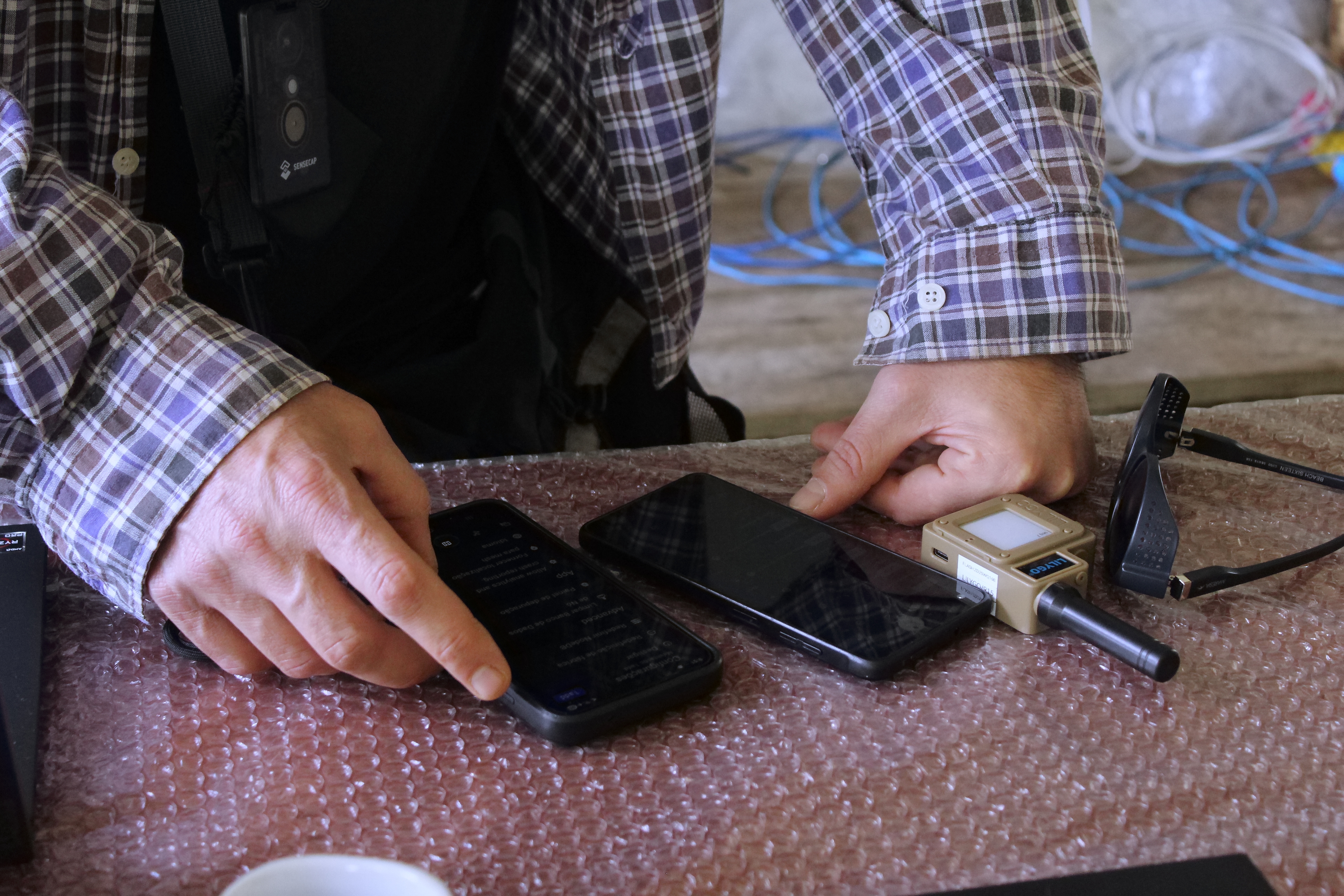
Meshtastic provides a firmware that can be installed on different models of equipment fitted with LoRa radios (such as LilyGo, Heltec, RAK, or Seeed Studio), as well as applications used to configure devices and exchange messages.
Some examples:
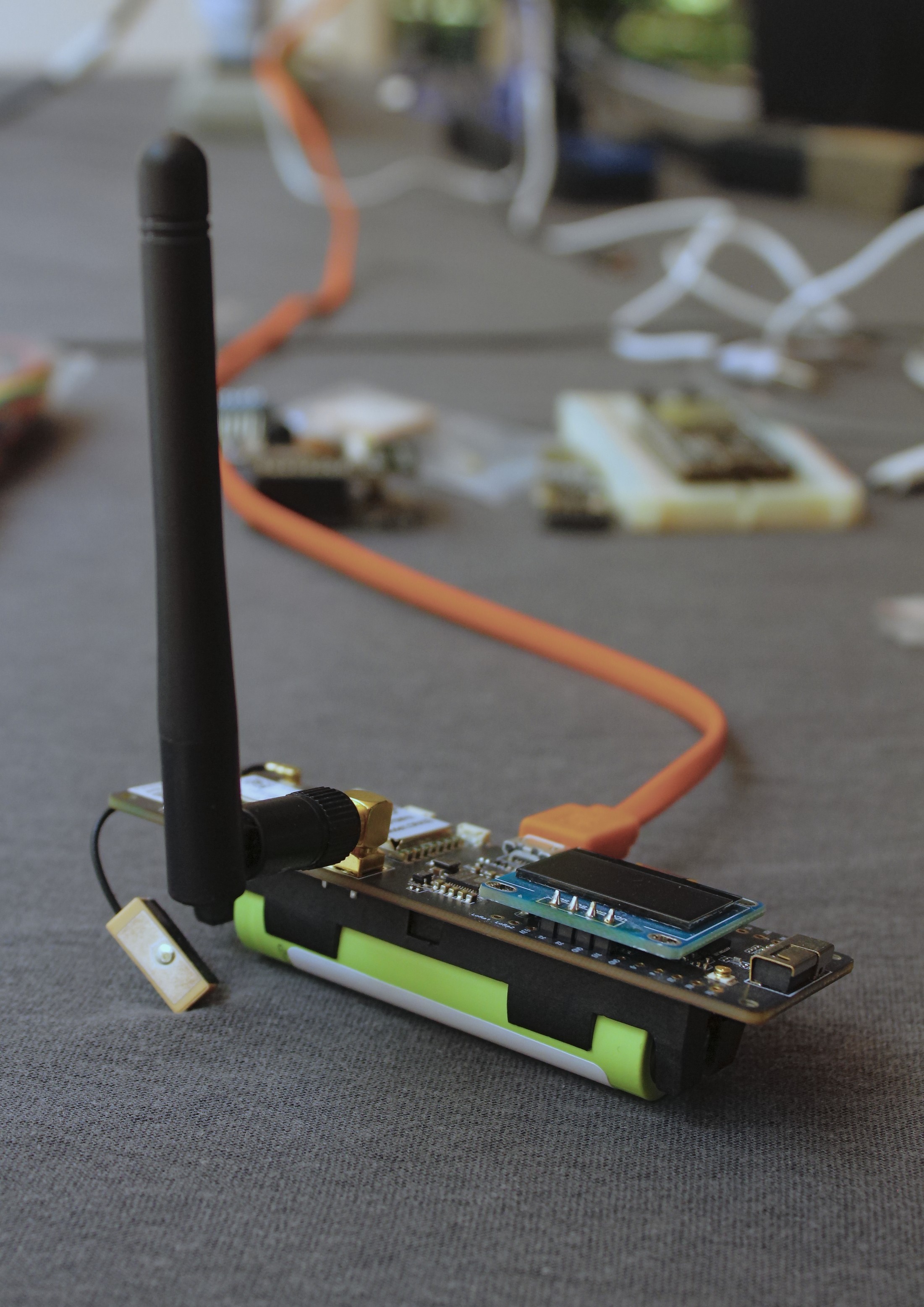
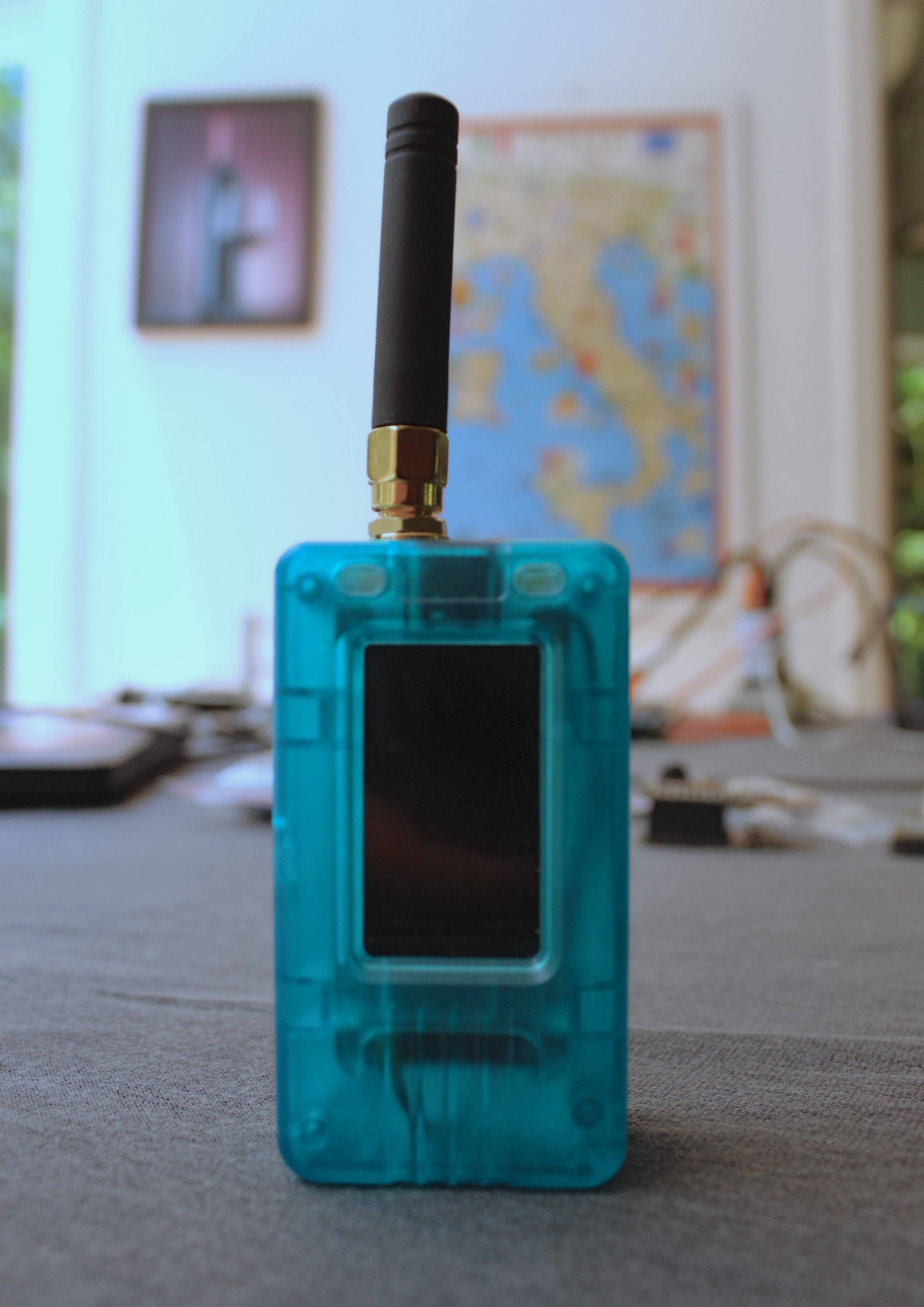
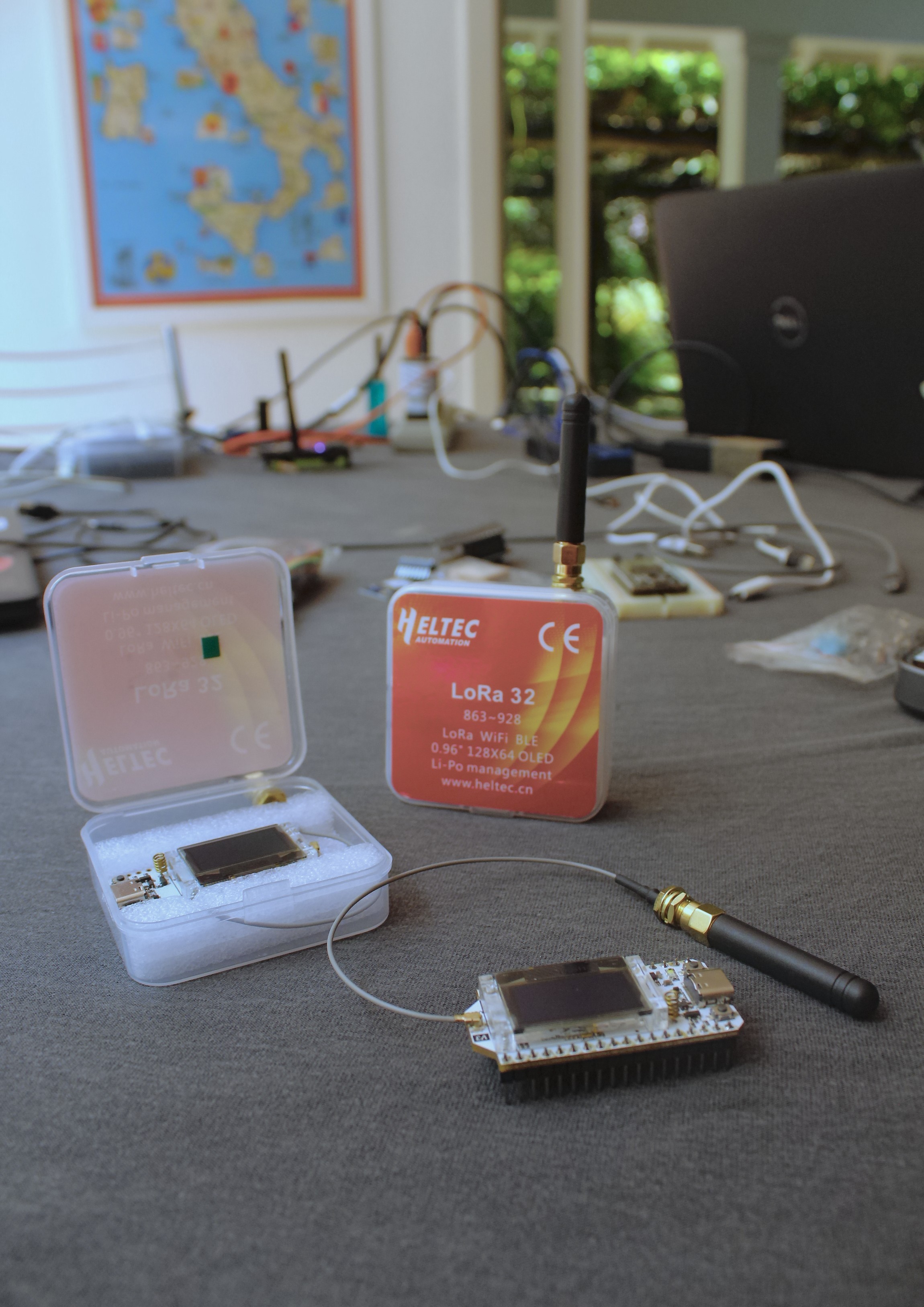
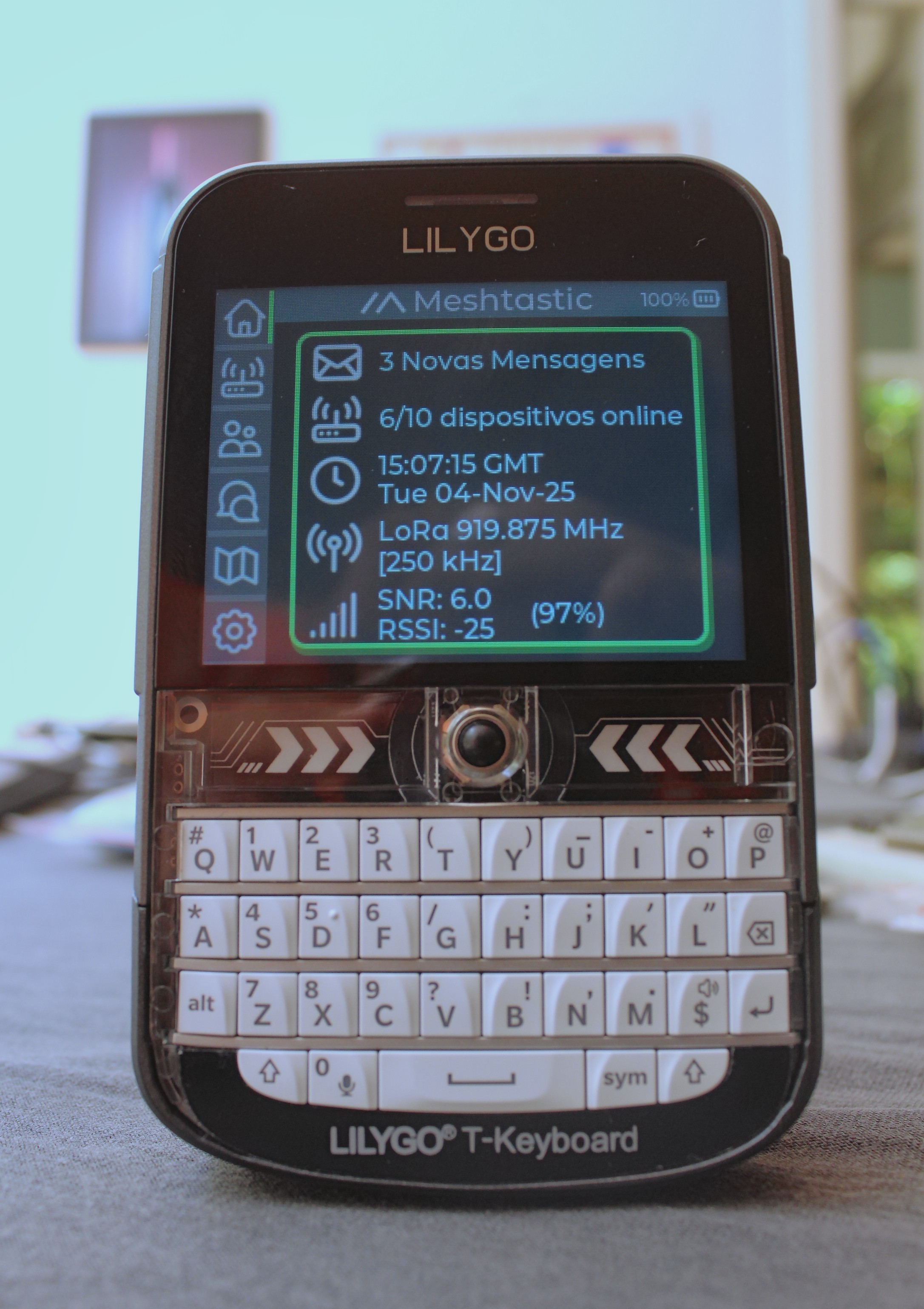
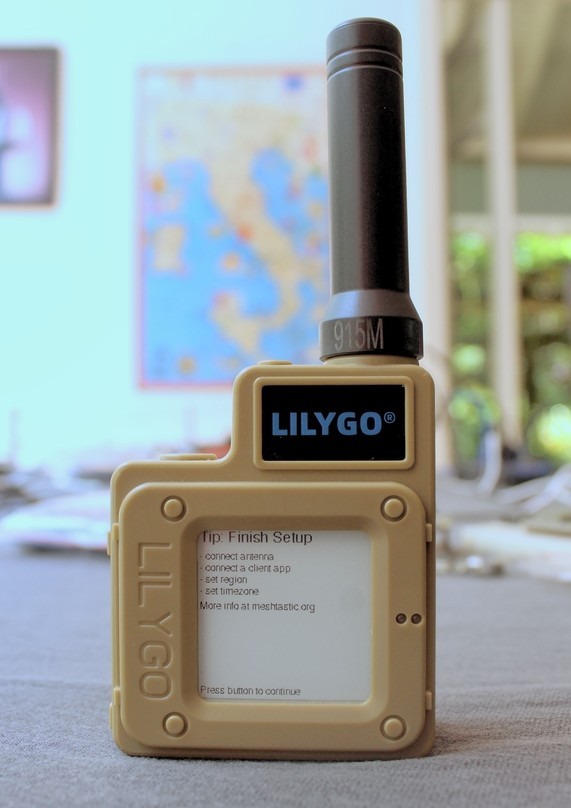
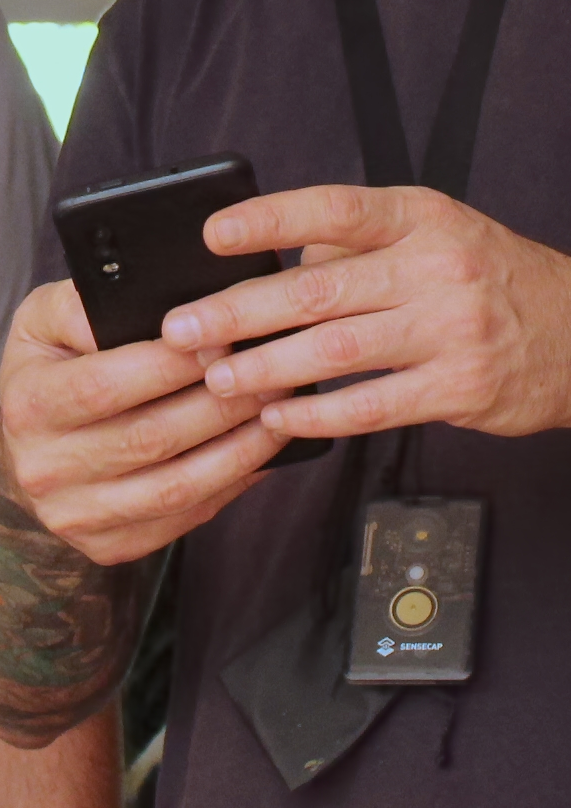
These devices become nodes of the Meshtastic network, capable of transmitting short text messages, position information, and small volumes of telemetry. Depending on the device, a person can connect their phone or computer to the node via Bluetooth, Wi-Fi, or cable and use a compatible app to write a message. It is the node that, through the LoRa radio, actually transmits this message over the air to other nodes within range.
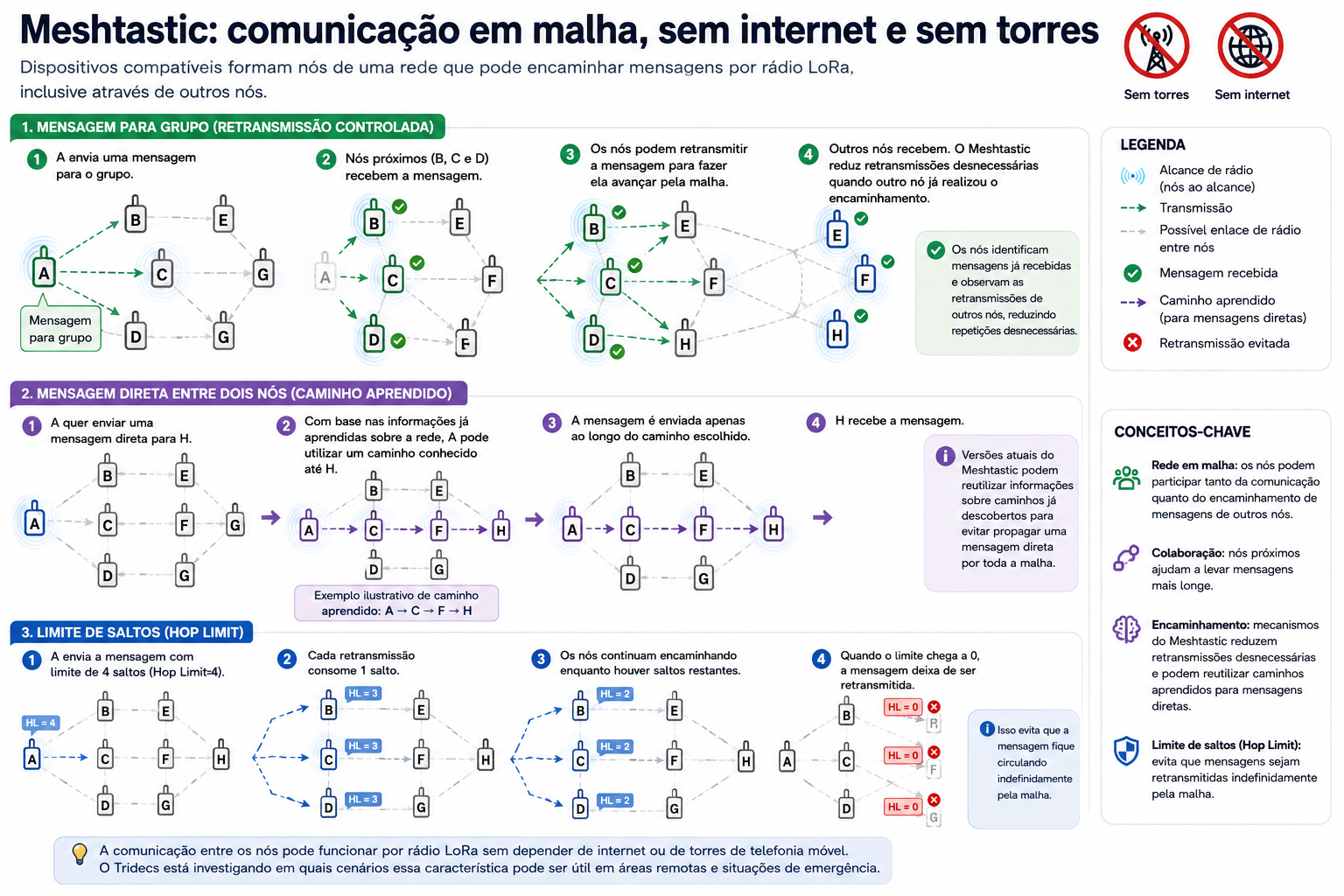
And this is where the concept of Mesh Network comes in, already introduced in the previous journal. Meshtastic nodes can take part in forwarding other devices’ messages, allowing communication to reach points that do not have a direct link between them. In this way, a message can pass through more than one node before reaching its destination, without depending on a central access point.
How do messages travel through this mesh, without internet and without towers?
When a message addressed to a group is transmitted, nearby nodes receive the packet and can help relay it across the mesh. To keep the same message from being repeated by several nodes at once, Meshtastic uses a technique called managed flood routing : each node that receives a new packet waits a short, randomly chosen interval before rebroadcasting it. If, during that wait, the node notices that another device has already retransmitted the same packet, it cancels its own retransmission, since the message has already moved forward and repeating it would only waste radio time and battery.
For direct messages between two nodes, current versions of Meshtastic can also take advantage of information learned about network paths, reducing the need to propagate every communication to all devices.
To prevent a message from continuing to travel through the network indefinitely, packets have a hop limit. Each retransmission uses up part of this limit; once it runs out, the message stops being forwarded.
Communication can also be organized into channels. Devices configured with the same channel and the same key can decrypt and read the content of messages shared on that channel. Other nodes on the same radio network can, depending on configuration, help retransmit these packets without necessarily being able to read their content. The comparison to a “private group” helps in understanding how messages are organized, but it does not mean that the security model is equivalent to that of modern instant messaging apps.
Meshtastic has widely known default settings. For this reason, a network intended for communications that should not be public needs to use its own settings and keys, defined before the equipment is distributed. When the app is not connected, the node can temporarily keep a limited number of recent messages in its memory. Upon reconnecting, the person can receive some of the messages that arrived during that period.
What does this have to do with sensors and environmental monitoring?
The same communication infrastructure can also carry small telemetry packets produced by compatible sensors or by systems integrated into the nodes, such as position, temperature, humidity, battery status, and other measurements.
This characteristic brings Meshtastic closer to the world of IoT . When integrated with appropriate sensors and applications, this infrastructure can also be tested to carry information related to risk prevention and monitoring, such as river level data, temperature, humidity, or other environmental conditions.
Given this context, how could LoRa and Meshtastic be used during floods, landslides, and wildfires?
LoRa and Wi-Fi do not differ only in range. They are technologies with distinct capabilities that can play complementary roles.
A Wi-Fi network may be better suited for providing local applications, maps, files, and other content that requires greater transmission capacity. A Meshtastic network over LoRa, on the other hand, can be used to test the flow of short messages, position, and telemetry between more distant points with less available power.
During floods, inundations, and landslides
| Group | Proposal |
|---|---|
| Response and rescue teams | Can serve as a complementary channel for sending status messages and position information from points without mobile phone coverage. |
| Affected communities | Can offer an additional channel for sending short messages, requesting support, or reporting a local situation when other means of communication are unavailable. |
| Humanitarian aid organizations | Can support the exchange of short updates between shelters, distribution points, and teams spread over a large area. |
| Telecommunications teams | Can serve as a minimal, temporary layer for exchanging information in isolated areas during the assessment and restoration of other infrastructure. |
During wildfires
| Group | Proposal |
|---|---|
| Firefighting crews and response teams | Can support sharing short messages and position information between operating points, when equipment has location capability and there is connectivity through the mesh. |
| Affected communities | Can function as a complementary channel for disseminating guidance and alerts between properties or points previously equipped with compatible devices. |
| Humanitarian aid organizations | Can support the exchange of basic updates between shelters and teams distributed across a region. |
| Teams responsible for infrastructure | Can carry telemetry on battery, power, and status of remote points in the network itself. |
These examples do not represent a closed set of applications. They are part of the hypotheses we intend to investigate throughout this phase of the project, seeking to understand in which situations LoRa can complement Wi-Fi and other communication technologies already discussed in this series.
What opportunities does this technology offer?
- Low power consumption, allowing long periods of operation depending on the hardware and configuration used. · Possibility of communication over greater distances than those typically used in local Wi-Fi networks, depending on terrain, antennas, and radio parameters.
- Operation without directly depending on the internet or mobile phone networks.
- Availability of compatible devices at a relatively accessible cost for experimentation.
- Small, lightweight equipment, making transport and temporary deployment at different points easier.
- Possibility of integration with sensors and telemetry systems.
- Open source software ecosystem in the case of Meshtastic.
- Mesh formation and adaptation without the need to manually configure routes in most use cases.
And what are the challenges?
- Limited transmission capacity: LoRa was created for short messages and small volumes of data, not for voice, images, or video.
- Equipment diversity: the large number of boards, radios, antennas, batteries, and hardware combinations available can make it harder to select and standardize a set of equipment for field use.
- Initial configuration: although Meshtastic automates much of how the mesh operates, it is still necessary to define the radio region, channels, keys, node roles, and other parameters suited to the scenario.
- Communication security: default settings should not be considered private. Channels used for sensitive information need their own keys and still have security limitations that must be taken into account when designing the operation. Direct messages in current versions have additional protections, but this does not eliminate the need for planning and security procedures.
- Dependence on mesh design: actual range depends on terrain, vegetation, buildings, and antenna height and quality. A message can only travel between different points when there are available nodes and usable radio links between them.
- Power and maintenance: low consumption does not mean an absence of maintenance. Batteries need to be sized, monitored, and eventually recharged or replaced.
- Mesh capacity: all nodes share a low-data-rate radio medium. A large number of devices or frequent transmissions can increase congestion, delays, and message loss.
- Spectrum regulation: frequencies, power, and other parameters need to comply with Anatel’s rules and the characteristics of the equipment used in Brazil.
What do we want to better understand through testing?
Tridecs also does not start from the assumption that it already has all the answers about LoRa and Meshtastic. We are investigating possibilities, just as we did with Wi-Fi.
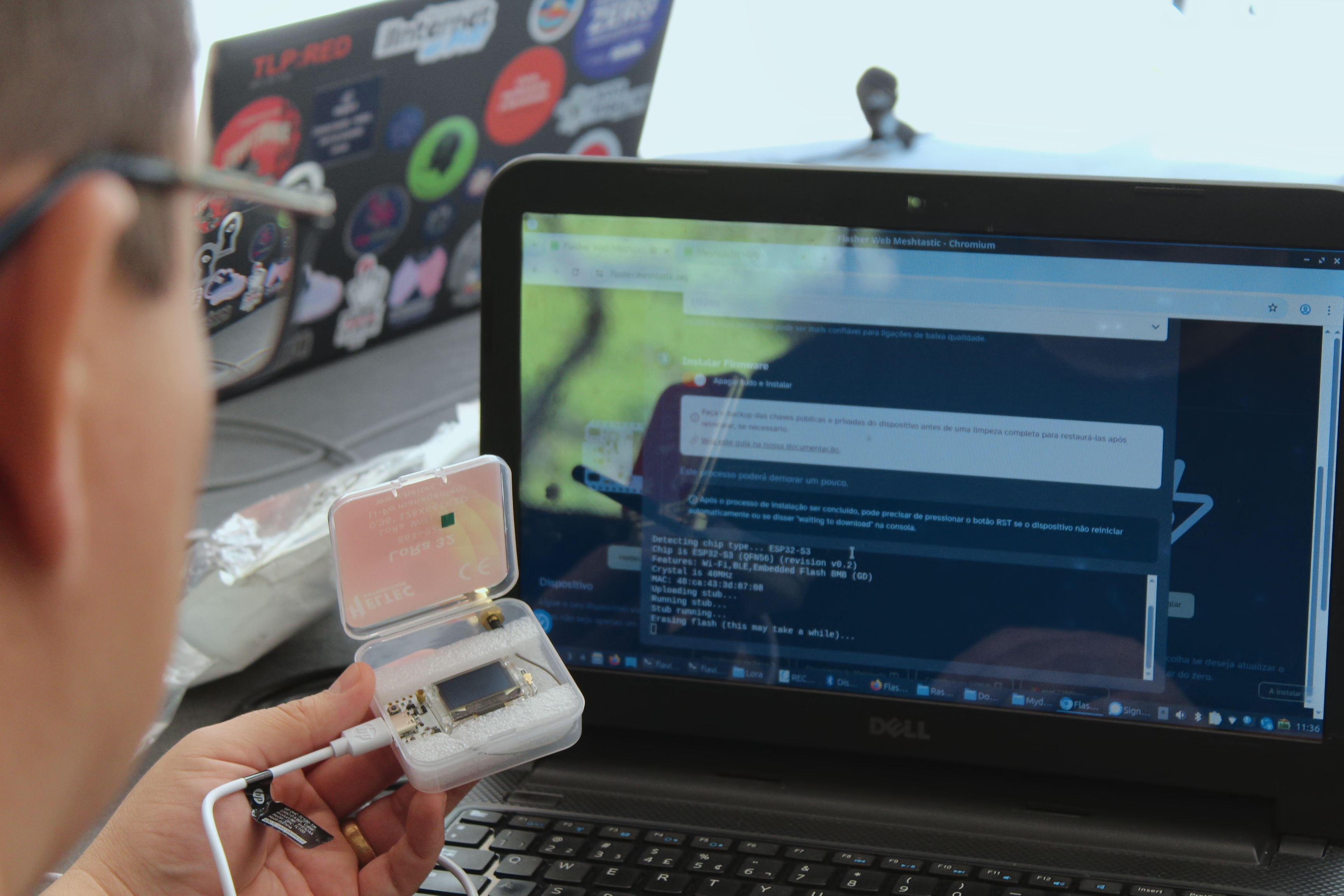
We want to understand at what distances and terrain conditions communication remains usable; how terrain, vegetation, buildings, and antenna height and type affect links; how power consumption varies between different equipment and configurations; and how much technical knowledge is needed for a team to configure, deploy, and maintain devices in the field.
We also want to observe how the network behaves as the number of nodes and messages increases, what procedures are needed to use channels securely, and how text messages, position, and telemetry can combine with Wi-Fi, HT radio, and other technologies to form a complementary toolkit.
In the next journal, we continue this investigation with another communication layer already mentioned at the beginning of this series: HT radio, used in different voice communication contexts, including field operations, response teams, and amateur radio.
See you next time!